Sheet metal
laser cutting.
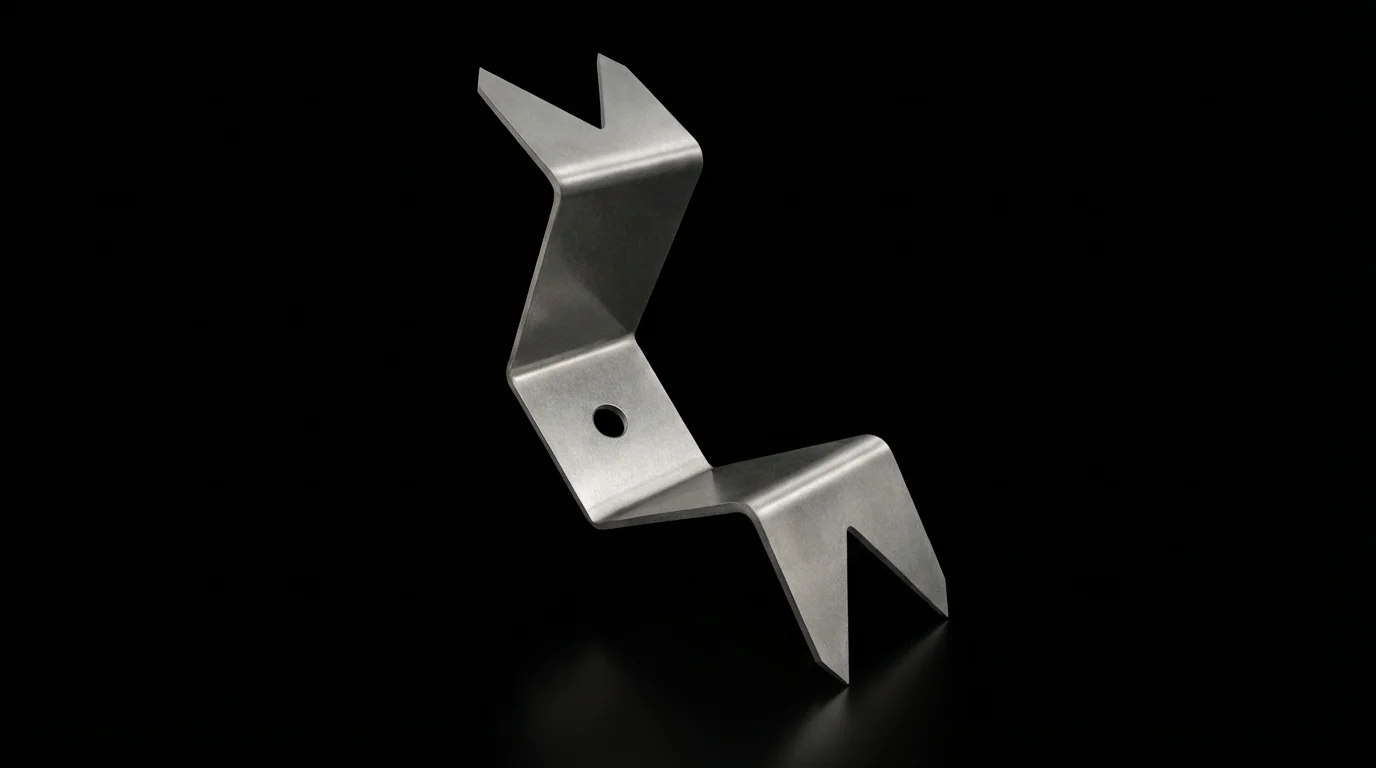
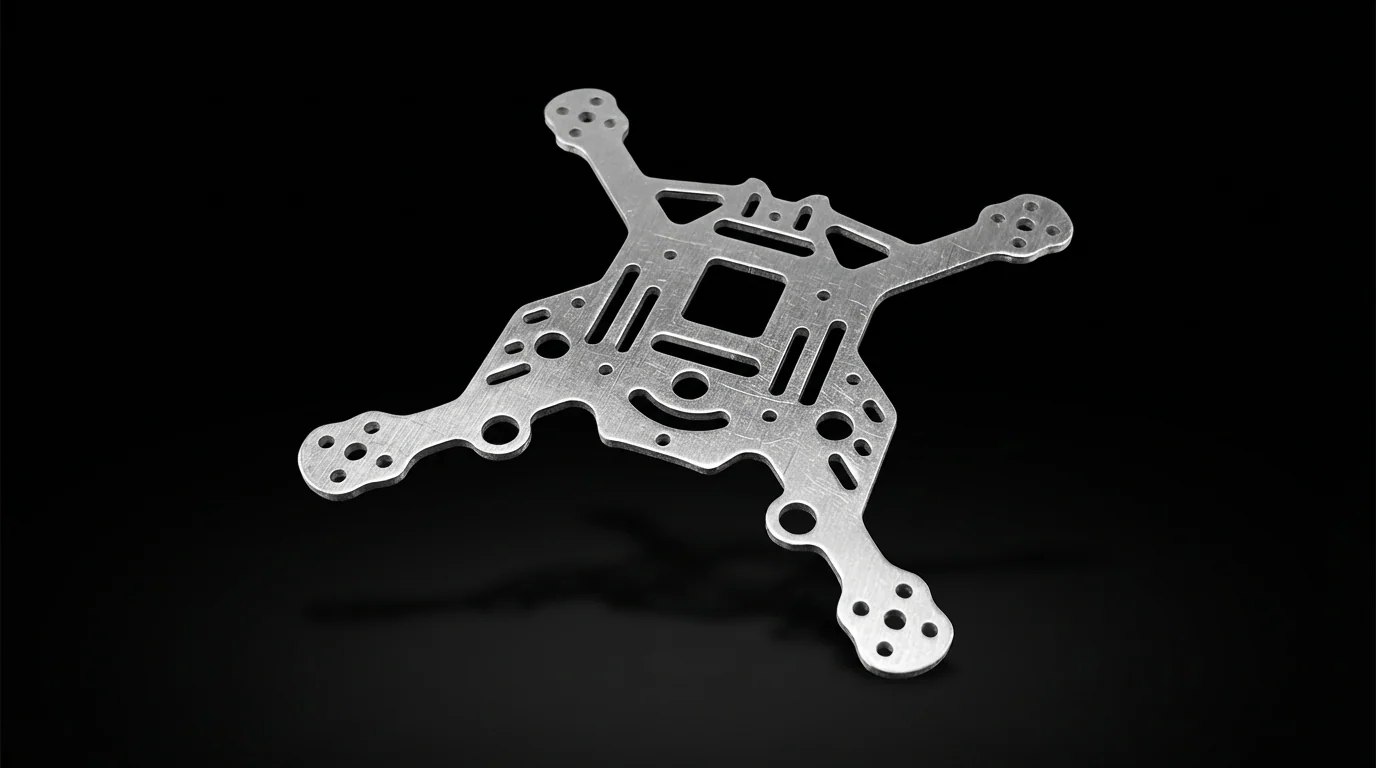
Custom metal laser cutting for aluminum, steel, and stainless steel parts. Upload your CAD file for an online quote, from a single prototype to a production run. Made in Nampa, Idaho; shipped nationwide. See real laser-cut metal parts, including brackets, weld tabs and plates made by Xeon NC.
Focused energy. Defined edges.
- Standard tolerance
- ±0.005 in
- Maximum sheet
- 60 × 120 in
- Start with your file
- DXF / STEP
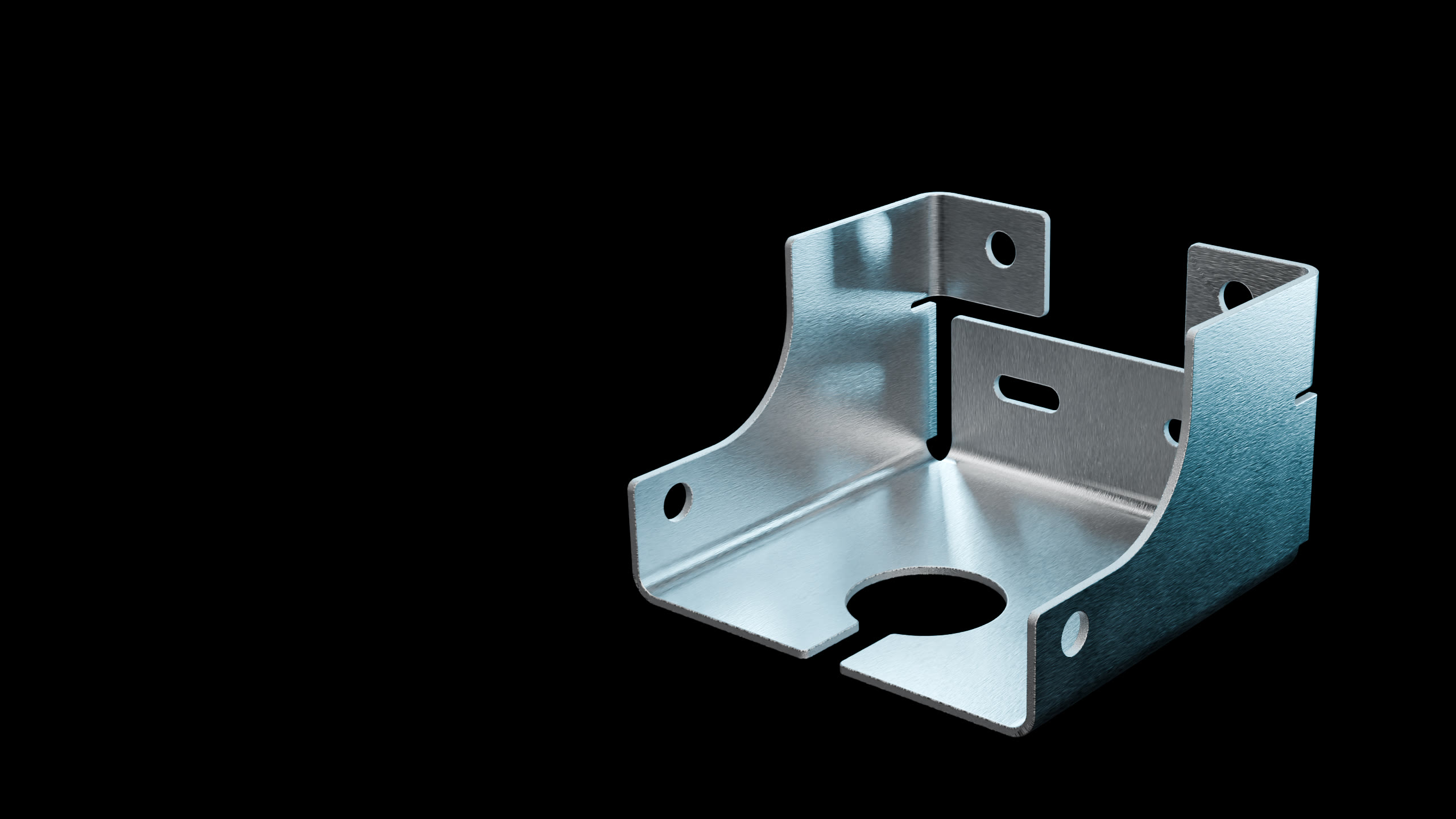


The details
make the part.
Developing a first part? Use our sheet metal prototyping checklist. For completed examples and drawing requirements, explore our custom metal brackets.
Clean profiles. Aligned mounting holes. Parts designed to fit together. Fiber laser cutting brings your flat-pattern geometry into metal.
Need a tighter fit? Tolerances down to ±0.002″ are available upon review. Include critical dimensions with your quote.
Discuss your requirements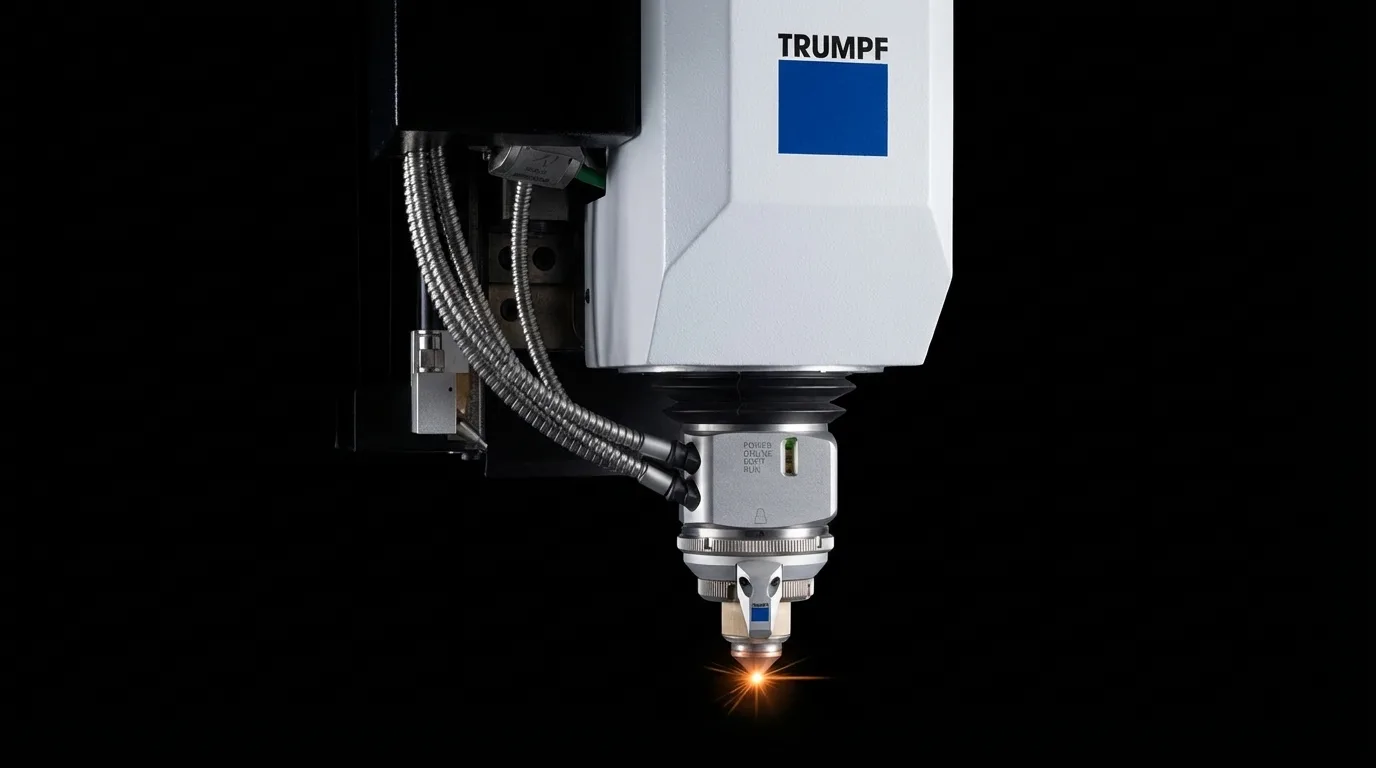
One process.
More possibilities.
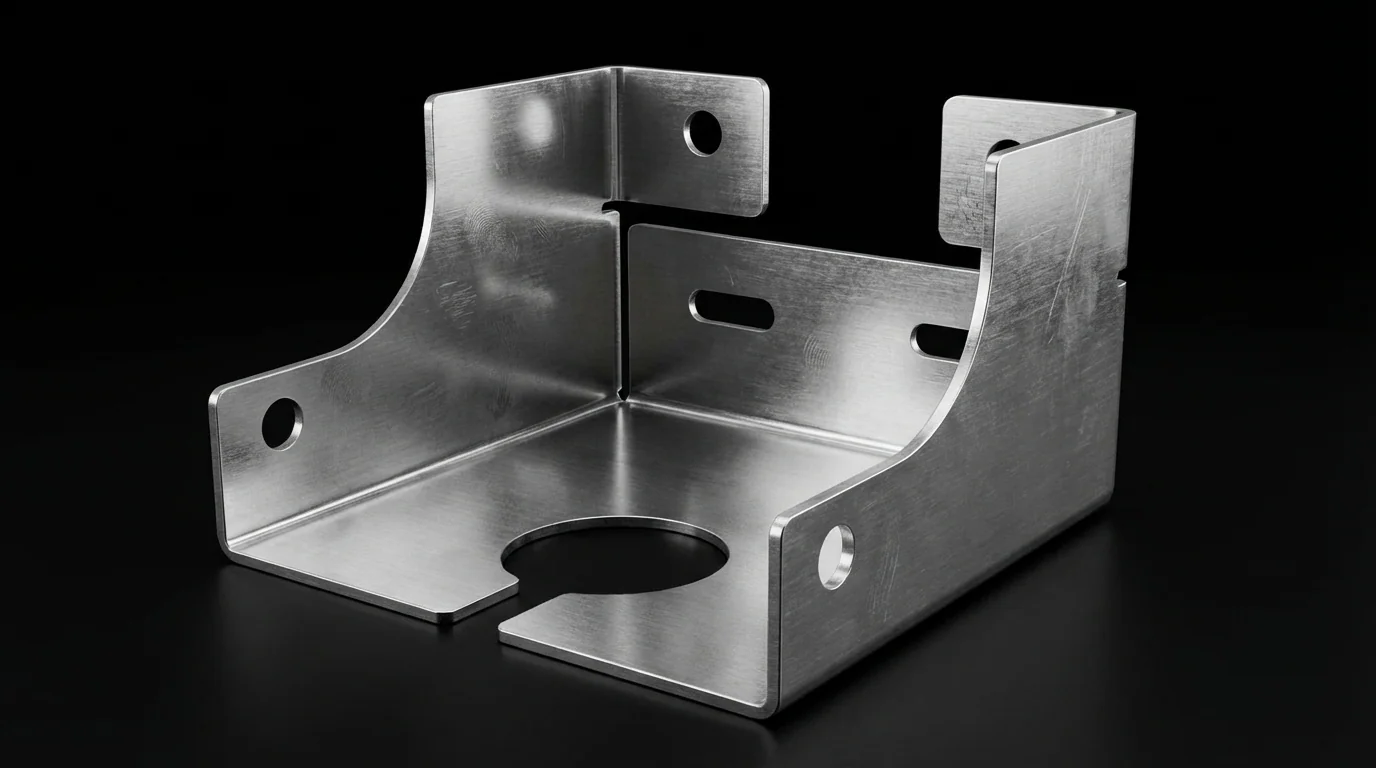
Laser-cut brackets, faceplates, panels, and custom profiles. Start with the alloy that fits your design, then combine cutting with sheet metal bending, finishing, or hardware through our sheet metal fabrication services. For a real example, see the chase car camera arm a customer built from our laser-cut 3/16″ steel plates.
Know your
working limits.
The essentials for your design. For thickness-specific hole sizes, cut features, and bending data, open the individual material in our catalog.
- Cutting tolerance
- ±0.005″ standard±0.002″ upon review. Call out critical dimensions in your drawing.
- Maximum sheet size
- 60″ × 120″Usable part size depends on material and manufacturing requirements.
- Material & thickness
- Choose by alloy, finish, and gaugeCheck the stock list for available thicknesses and quoting options.
- Minimum hole size
- Specific to your material and thicknessEach material page lists the minimum and recommended hole sizes. Learn more ↗
- Cut edges
- Plan the finish around the partEdge condition varies with alloy and thickness. Explore deburring ↗
- CAD files
- DXF for flat profiles · STEP / STP for 3D partsReview our file preparation guide before uploading.
Control the heat.
Protect the detail.
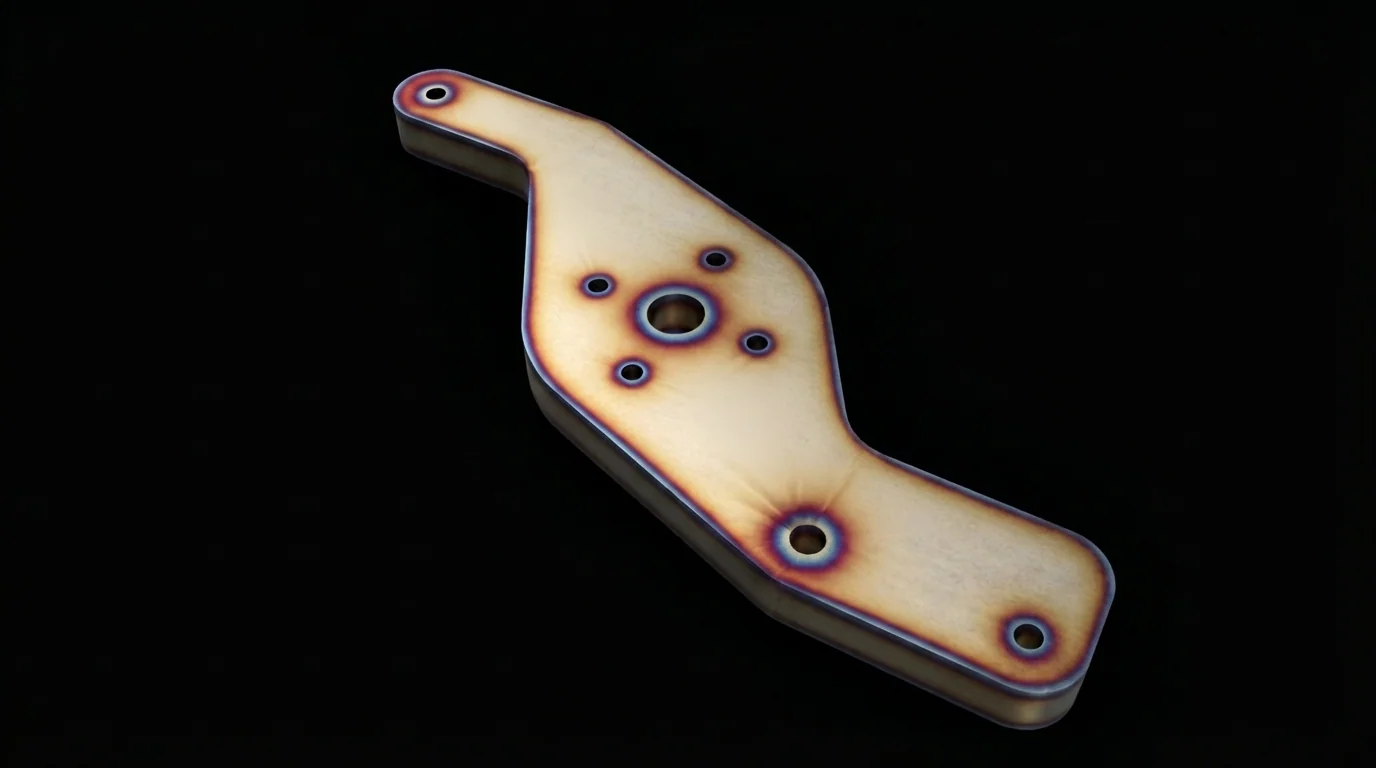
Cool Line uses a fine water mist around the cutting zone to manage heat buildup. It helps preserve small features in closely nested, detailed parts.
Cool Line technology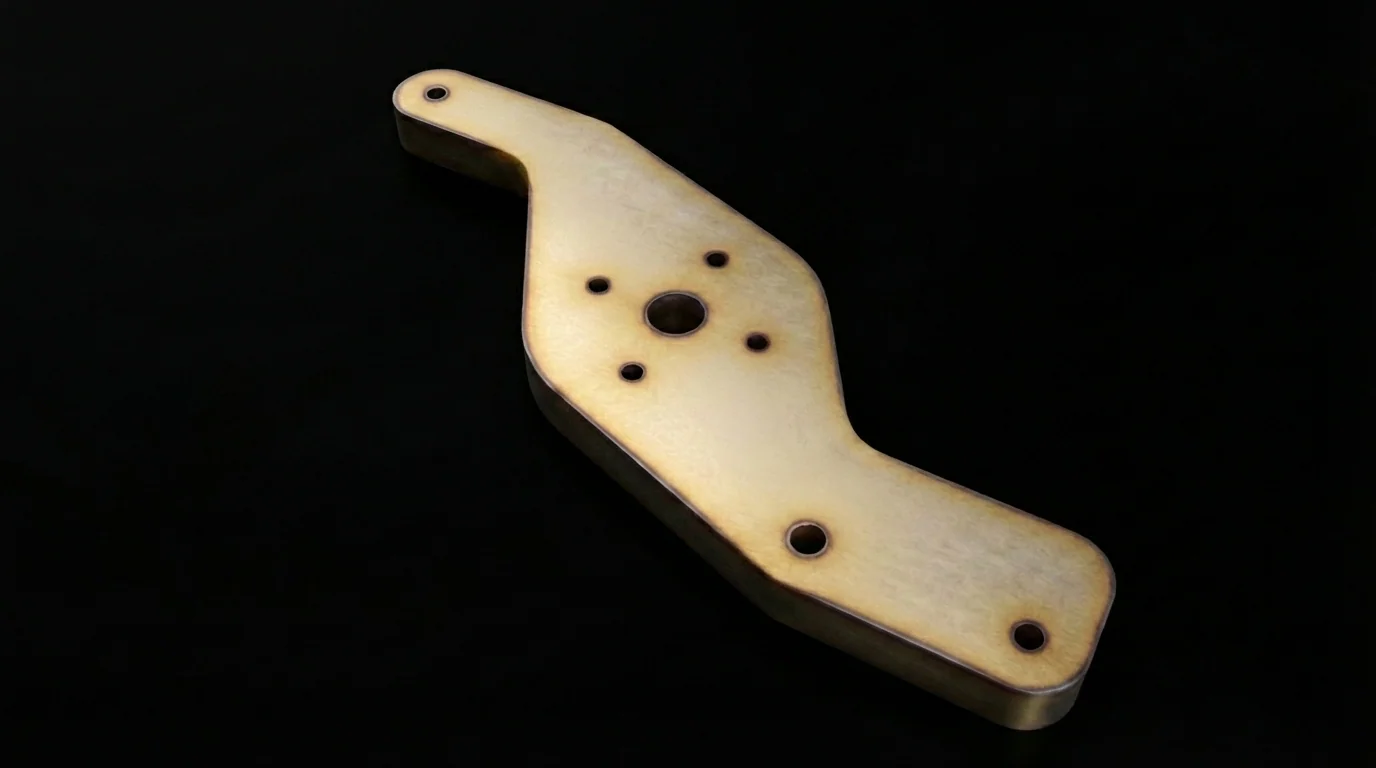
Small connections.
A more stable cut.
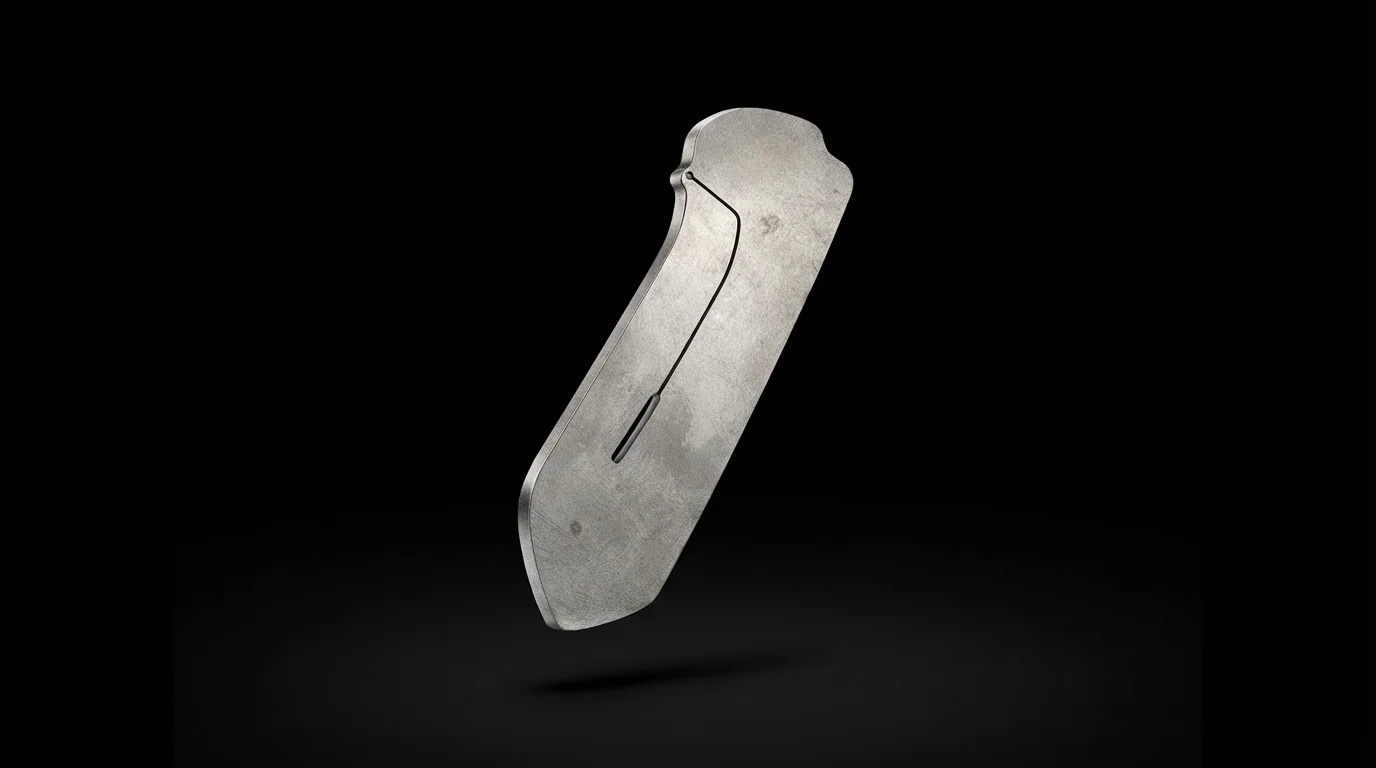
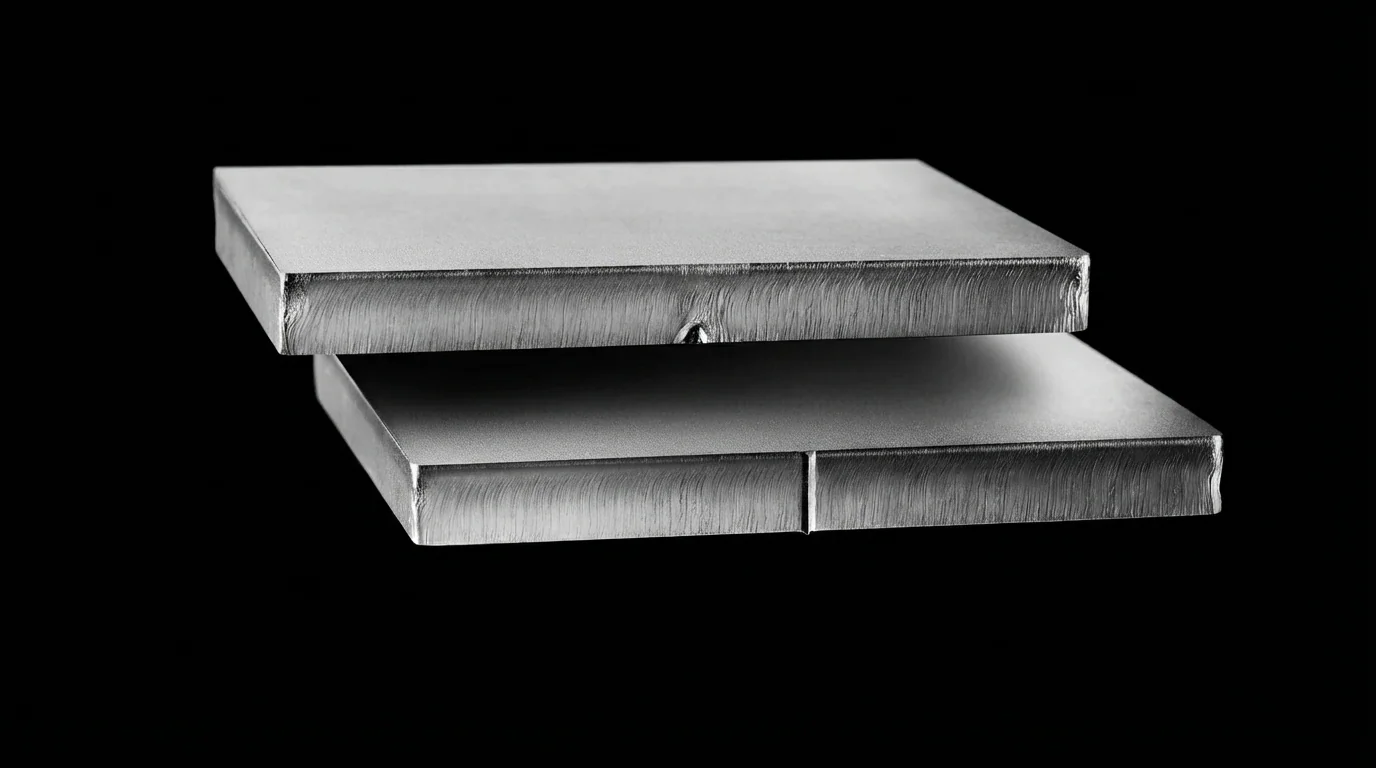
Tabs keep parts connected to the sheet during cutting, helping prevent small pieces from tipping into the cutting head or falling through the bed.
- Nano tabs
- Small connections that hold a part in the nest with minimal material to remove afterward.
- Micro tabs
- Larger bridges for added retention. These connections are removed and finished after cutting.
Industrial power.
A focused process.
A solid-state fiber laser generates the cutting beam and delivers it through an optical fiber to the cutting head.
At the nozzle, that energy is focused onto the sheet. The beam, motion system, and assist gas work together to create the profile in your CAD file.
Explore the shop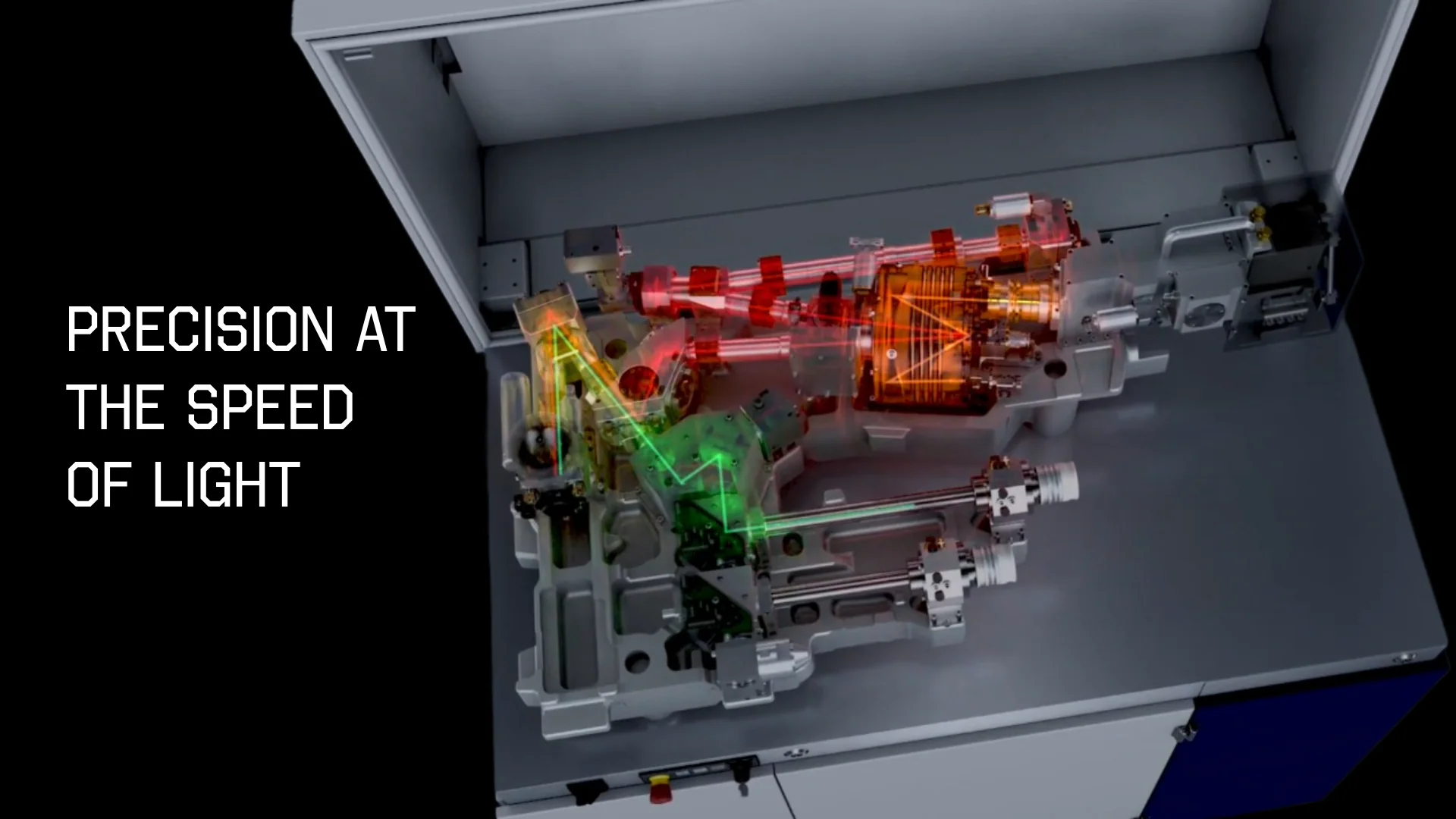
Start with
the right sheet.
Browse alloy, finish, and thickness. Select a material to open its page, including cutting limits, properties, and bend data.
-
5052-H32 Aluminum
Available sheet thicknesses
- 0.02" (26 ga)
- 0.032" (22 ga)
- 0.04" (20 ga)
- 0.05" (18 ga)
- 0.063" (16 ga)
- 0.08" (14 ga)
- 0.09" (13 ga)
- 0.1" (12 ga)
- 0.125" (1/8")
- 0.16"
- 0.188" (3/16")
- 0.25" (1/4")
- 0.375" (3/8")
- 0.5" (1/2")
-
6061-T6 Aluminum
Available sheet thicknesses
- 0.032" (22 ga)
- 0.04" (20 ga)
- 0.05" (18 ga)
- 0.063" (16 ga)
- 0.09" (13 ga)
- 0.1" (12 ga)
- 0.125" (1/8")
- 0.188" (3/16")
- 0.25" (1/4")
- 0.375" (3/8")
- 0.5" (1/2")
- 0.625" (5/8")
- 0.75" (3/4")
-
7075-T6 Aluminum
Available sheet thicknesses
- 0.08" (14 ga)
- 0.1" (12 ga)
- 0.125" (1/8")
- 0.16"
- 0.19"
- 0.25" (1/4")
- 0.375" (3/8")
- 0.5" (1/2")
- 0.75" (3/4")
- 1"
-
1100-H14 Aluminum
Available sheet thicknesses
- 0.09" (13 ga)
- 0.125" (1/8")
- 0.188" (3/16")
-
MIC-6 Cast Aluminum Plate
Available sheet thicknesses
- 0.25"
-
A1008 Cold-Rolled Steel
Available sheet thicknesses
- 0.024" (24 ga)
- 0.03" (22 ga)
- 0.036" (20 ga)
- 0.048" (18 ga)
- 0.06" (16 ga)
- 0.075" (14 ga)
- 0.09" (13 ga)
- 0.1" (12 ga)
- 0.12" (11 ga)
- 0.135" (10 ga)
-
A1008 Electro-Galvanized Steel
Available sheet thicknesses
- 0.024" (24 ga)
- 0.036" (20 ga)
- 0.048" (18 ga)
- 0.06" (16 ga)
- 0.075" (14 ga)
-
G90 Galvanized Steel
Available sheet thicknesses
- 0.024" (24 ga)
- 0.036" (20 ga)
- 0.048" (18 ga)
- 0.06" (16 ga)
- 0.135" (10 ga)
-
A36 / A1011 Hot-Rolled, P&O
Available sheet thicknesses
- 0.06" (16 ga)
- 0.075" (14 ga)
- 0.1" (12 ga)
- 0.12" (11 ga)
- 0.135" (10 ga)
- 0.188" (3/16")
- 0.25" (1/4")
- 0.375" (3/8")
- 0.5" (1/2")
-
A36 / A1011 Hot-Rolled, Mill Finish
Available sheet thicknesses
- 0.06" (16 ga)
- 0.075" (14 ga)
- 0.1" (12 ga)
- 0.12" (11 ga)
- 0.135" (10 ga)
- 0.188" (3/16")
- 0.25" (1/4")
- 0.313" (5/16")
- 0.375" (3/8")
- 0.5" (1/2")
- 0.625" (5/8")
- 0.75" (3/4")
-
A572 / HSLAS Grade 50
Available sheet thicknesses
- 0.188" (3/16")
- 0.25" (1/4")
- 0.313" (5/16")
-
Corten Weathering Steel
Available sheet thicknesses
- 0.06" (16 ga)
- 0.075" (14 ga)
- 0.1" (12 ga)
- 0.135" (10 ga)
- 0.188" (3/16")
- 0.25" (1/4")
-
AR500 Abrasion-Resistant Steel
Available sheet thicknesses
- 0.25" (1/4")
- 0.375" (3/8")
- 0.5" (1/2")





-
304 Stainless Steel, #4 Brushed
Available sheet thicknesses
- 0.024" (24 ga)
- 0.036" (20 ga)
- 0.048" (18 ga)
- 0.06" (16 ga)
- 0.075" (14 ga)
- 0.1" (12 ga)
- 0.12" (11 ga)
- 0.135" (10 ga)
-
304 Stainless Steel, 2B
Available sheet thicknesses
- 0.036" (20 ga)
- 0.048" (18 ga)
- 0.06" (16 ga)
- 0.075" (14 ga)
- 0.1" (12 ga)
- 0.12" (11 ga)
- 0.135" (10 ga)
-
304 Stainless Steel, #1 HR Plate
Available sheet thicknesses
- 0.188" (3/16")
- 0.25" (1/4")
- 0.375" (3/8")
- 0.5" (1/2")
- 0.625" (5/8")
-
316 Stainless Steel, 2B
Available sheet thicknesses
- 0.036" (20 ga)
- 0.048" (18 ga)
- 0.06" (16 ga)
- 0.075" (14 ga)
- 0.1" (12 ga)
- 0.12" (11 ga)
- 0.135" (10 ga)
-
316 Stainless Steel, #1 HR Plate
Available sheet thicknesses
- 0.188" (3/16")
- 0.25" (1/4")
- 0.375" (3/8")



Quoted by our team. Send your files and we reply within one business day.
-
Grade 2 Titanium
Available sheet thicknesses
- 0.04"
-
Grade 5 Titanium (Ti-6Al-4V)
Available sheet thicknesses
- 0.04"
- 0.063"
- 0.125"
- 0.187"
- 0.25"
-
Spring Steel (1075 / 1095), Annealed
Available sheet thicknesses
- 0.005"
-
Spring Steel (1075 / 1095), Hardened
Available sheet thicknesses
- 0.005"
-
Corrugated Steel
Available sheet thicknesses
- Gauges and profiles on request


From your file.
To finished parts.
Start your laser cutting quote with a DXF profile or STEP model, material grade, thickness, and quantity. Include a drawing for critical dimensions. Review the file preparation guide or request a custom quote for special requirements.
Quote your parts