Xeon NC / The Xeon NC standard / By Evan Hayes
A perfect part is the predictable result of a system.
Ask anyone what makes a part "perfect" and you'll get one answer: it matches the drawing. Hitting that mark part after part, run after run, is the hard part — and it's where most of manufacturing quietly falls short.
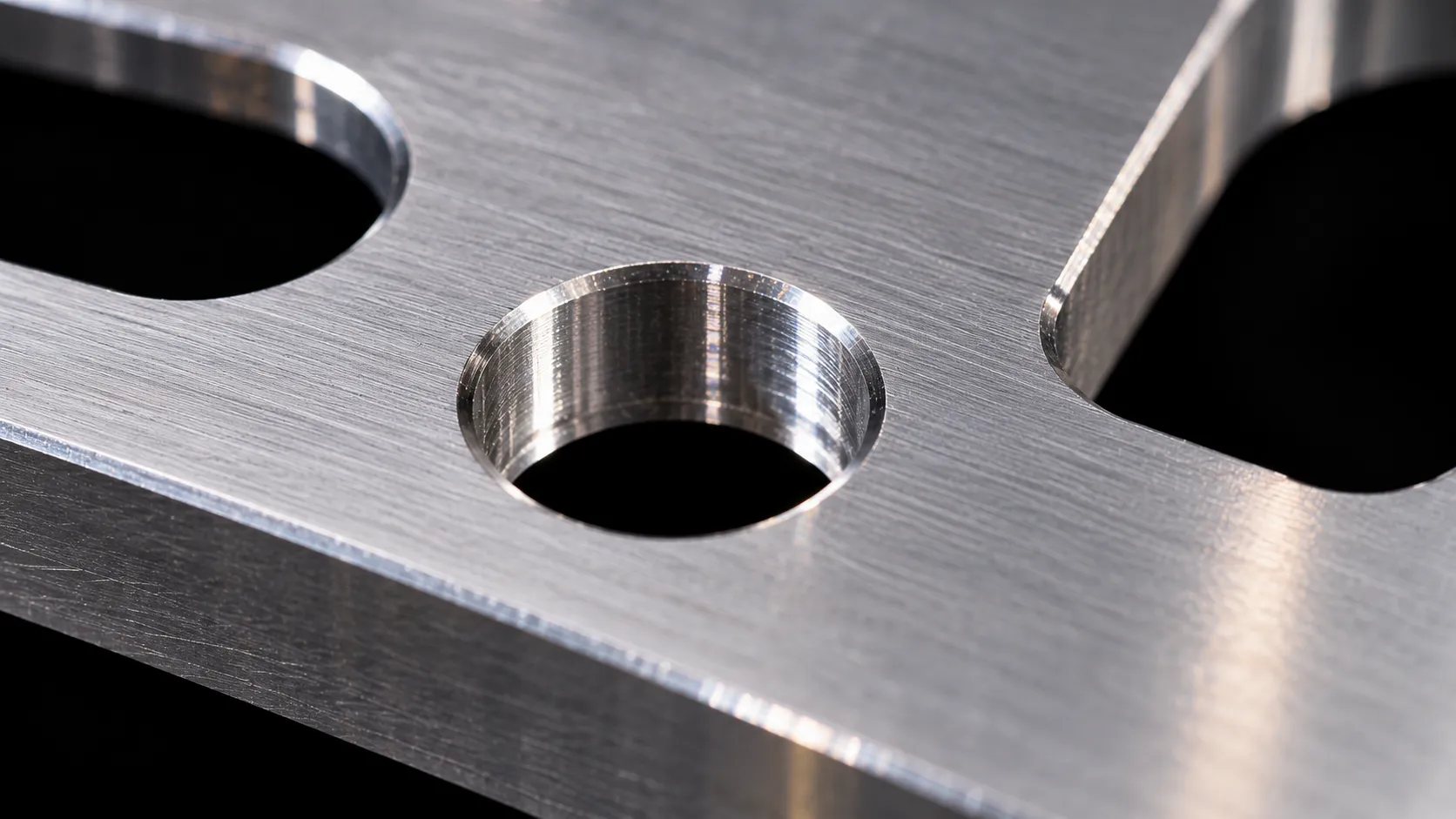
At Xeon NC, the perfect part isn't a happy outcome we hope for. It's the predictable result of a system we built on purpose. Every stage — from the alloy we source, to the machine we cut it on, to the software that programs the bend, to the inspector who measures the final feature — exists to remove one more place where error could creep in.
This article walks through that system, pillar by pillar.
Precision isn't one thing you buy. It's five things working together.
Weaken any one and the part suffers. Here is what we stand on.
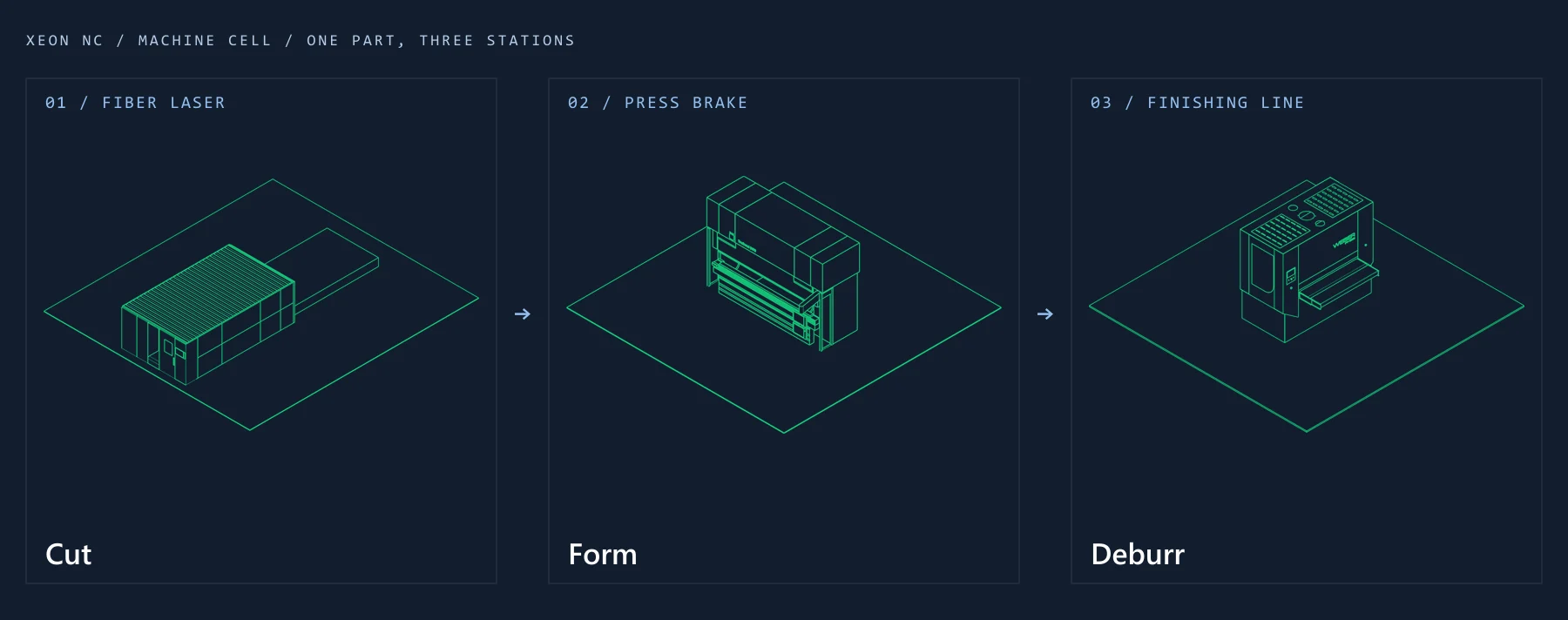
- 01 / The right machineTRUMPF fiber lasers, press brakes, and Hans Weber finishing lines — the best tools in the industry, run inside their sweet spot.
- 02 / The right peopleA team carrying 50 years of collective manufacturing experience — the judgment a machine alone can't supply.
- 03 / Custom-built softwareProduction software we wrote ourselves: instant quoting, live DFM, and simulation that catches problems before metal moves.
- 04 / The right materialCertified, mill-traceable sheet from vetted suppliers — consistent alloy, temper, and thickness on every sheet.
- 05 / Quality control that says noThe final gate. If a part isn't perfect, QC catches it — and it doesn't ship.
Tolerance starts in the iron.
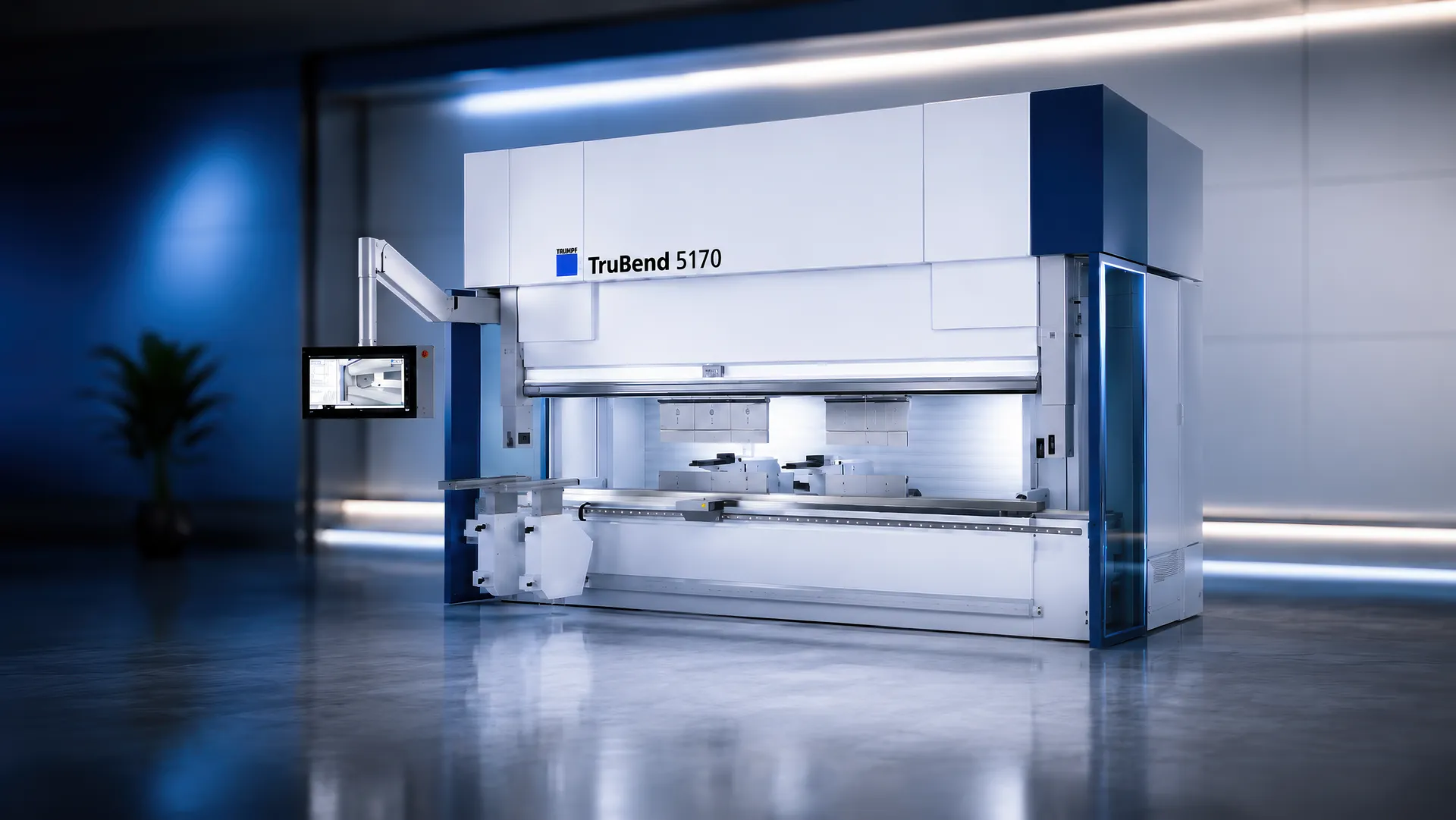
You cannot make a precise part on an imprecise machine. That's why we don't compromise on the equipment that touches your part — we run the machines the rest of the industry benchmarks against.
- TRUMPF fiber laserClean, repeatable edges with a tight kerf and a minimal heat-affected zone, holding feature position across a full sheet.
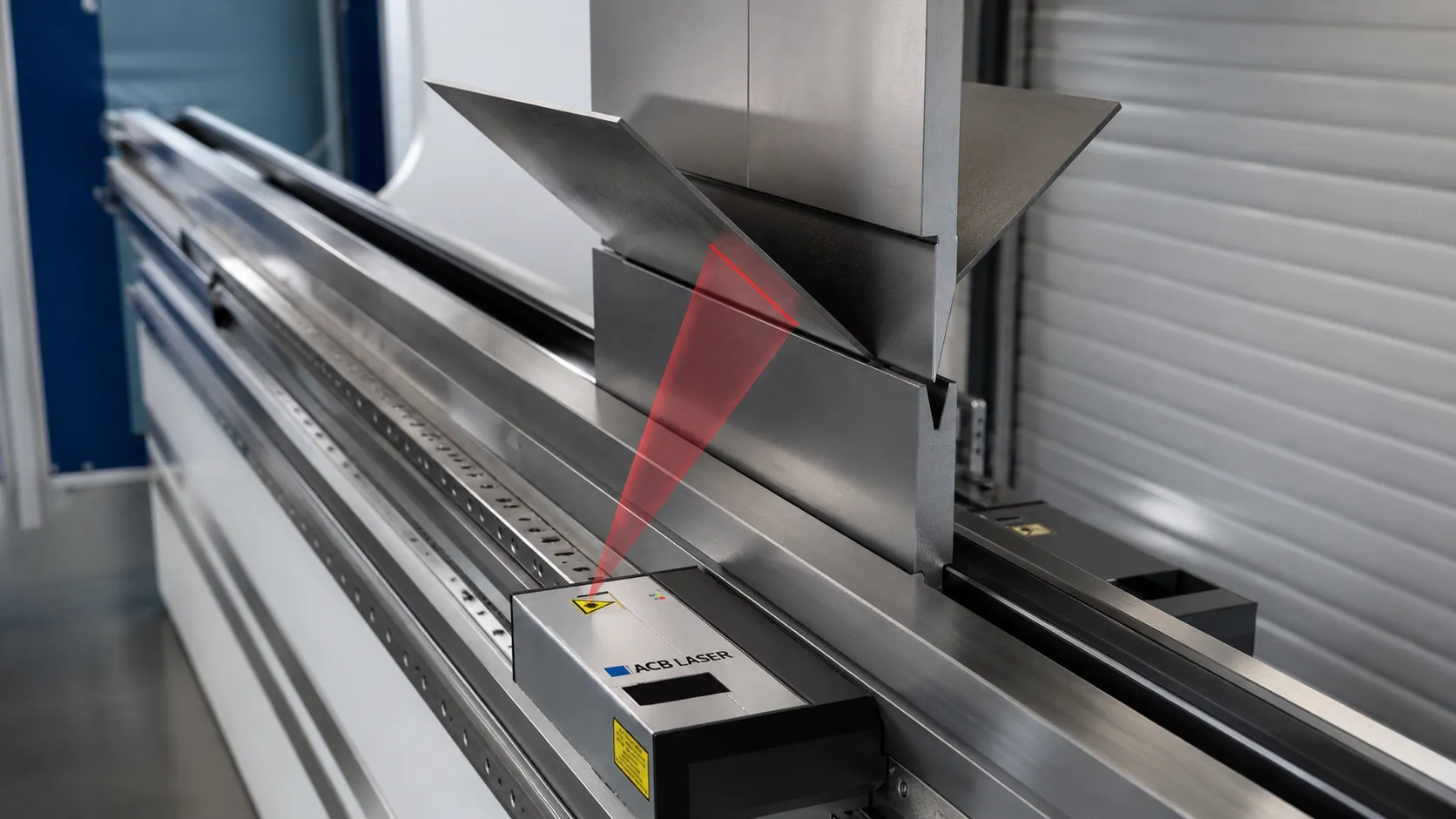
- TRUMPF press brakeAngle correction and crowning that keep every bend on target, with a 5-die tooling set matched to the material and thickness.
- Hans Weber finishing lineConsistent edge rounding and deburring, so the part that ships feels as good as it measures.
Right machine, right job. A great machine used outside its envelope still makes a bad part. We match each operation to the tool built for it — and keep that tool calibrated — so the geometry is correct the first time, not corrected after the fact.
Want the detail behind the bends? See the bending ontology guide and the tooling selection guide.
The judgment a spec sheet never captures.
The best machine in the world is only as good as the hands and minds running it. Behind every Xeon NC part is a team that has, together, spent half a century in manufacturing — cutting, forming, finishing, and troubleshooting real parts for real customers.
- 50+
- Years combined experience
- 100%
- Parts inspected before shipping
- 1
- Standard: perfect
That experience shows up in decisions a drawing doesn't spell out: which grain direction to run a bend on, when a feature is going to fight the tooling, how a finish will behave on a given alloy, and where a design will give a machine trouble before it ever reaches the floor. It's the difference between a shop that makes parts and a partner that makes your part right.
We wrote the software that carries your part to the machine.
Most shops bolt their workflow onto off-the-shelf software and live with the gaps. We took the harder road and built our own. Our instant quoting and production platform is purpose-built to catch the problems that turn into scrap — before a single sheet is touched.
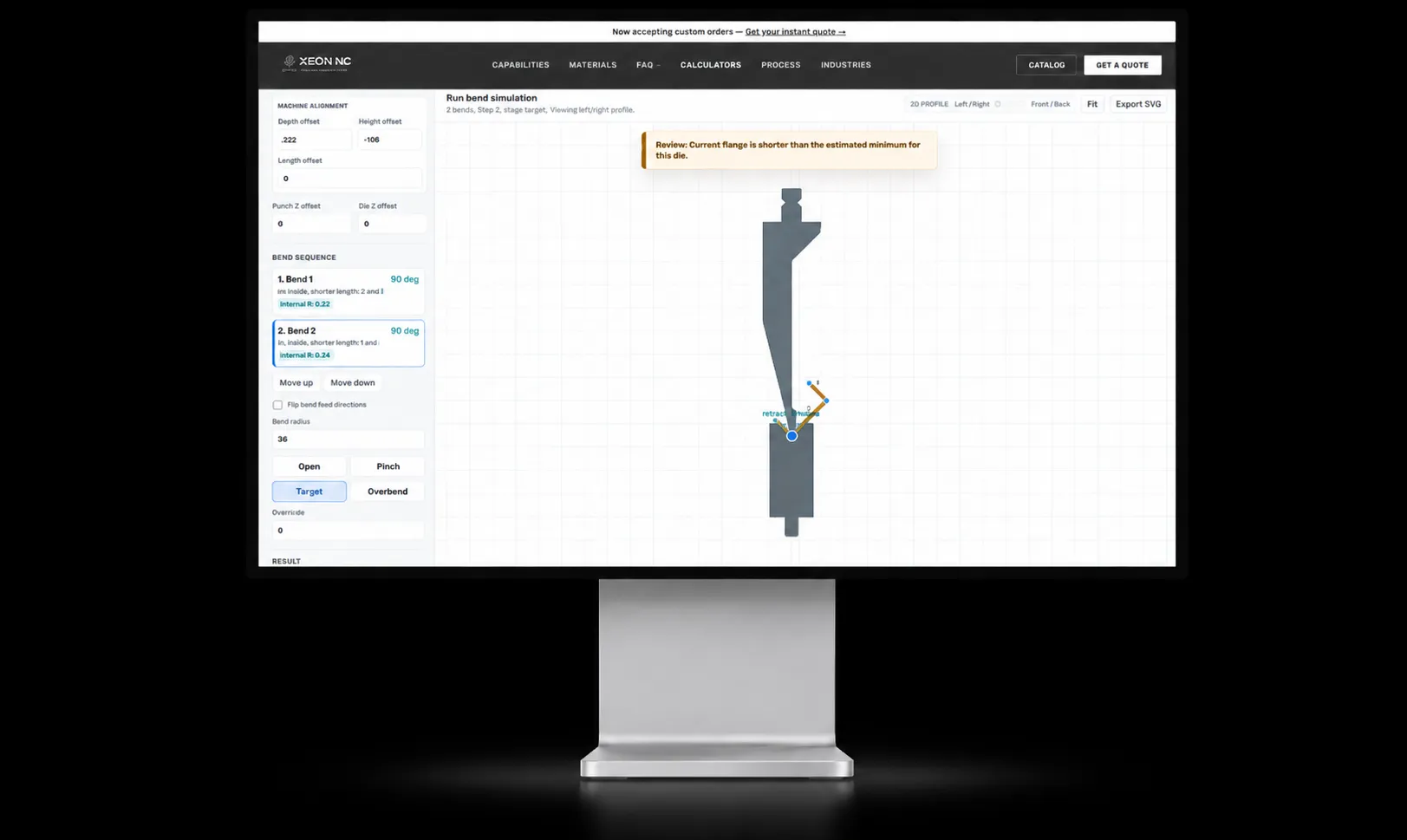
- Instant quoting with live DFMUpload a CAD file and the platform analyzes the geometry on the spot, flagging short flanges, tight holes, and over-range thicknesses while you design.
- Bend simulation in the browserWatch the flat develop into the finished part. Try it in the bend simulator.
- One connected threadNothing is re-keyed and nothing drifts between the quote and the floor.
Why we wrote it ourselves: a perfect part depends on perfect information flowing cleanly from your design to our machines. Owning the software end to end means we control that path — and remove the handoffs where errors usually hide. See it in the instant quoting design guide.
Precision begins at the mill.
A part can only be as good as the metal it's made from. Inconsistent thickness, an off-spec temper, or an unknown alloy will sabotage even a perfect cut and a perfect bend. So precision begins long before the laser fires.
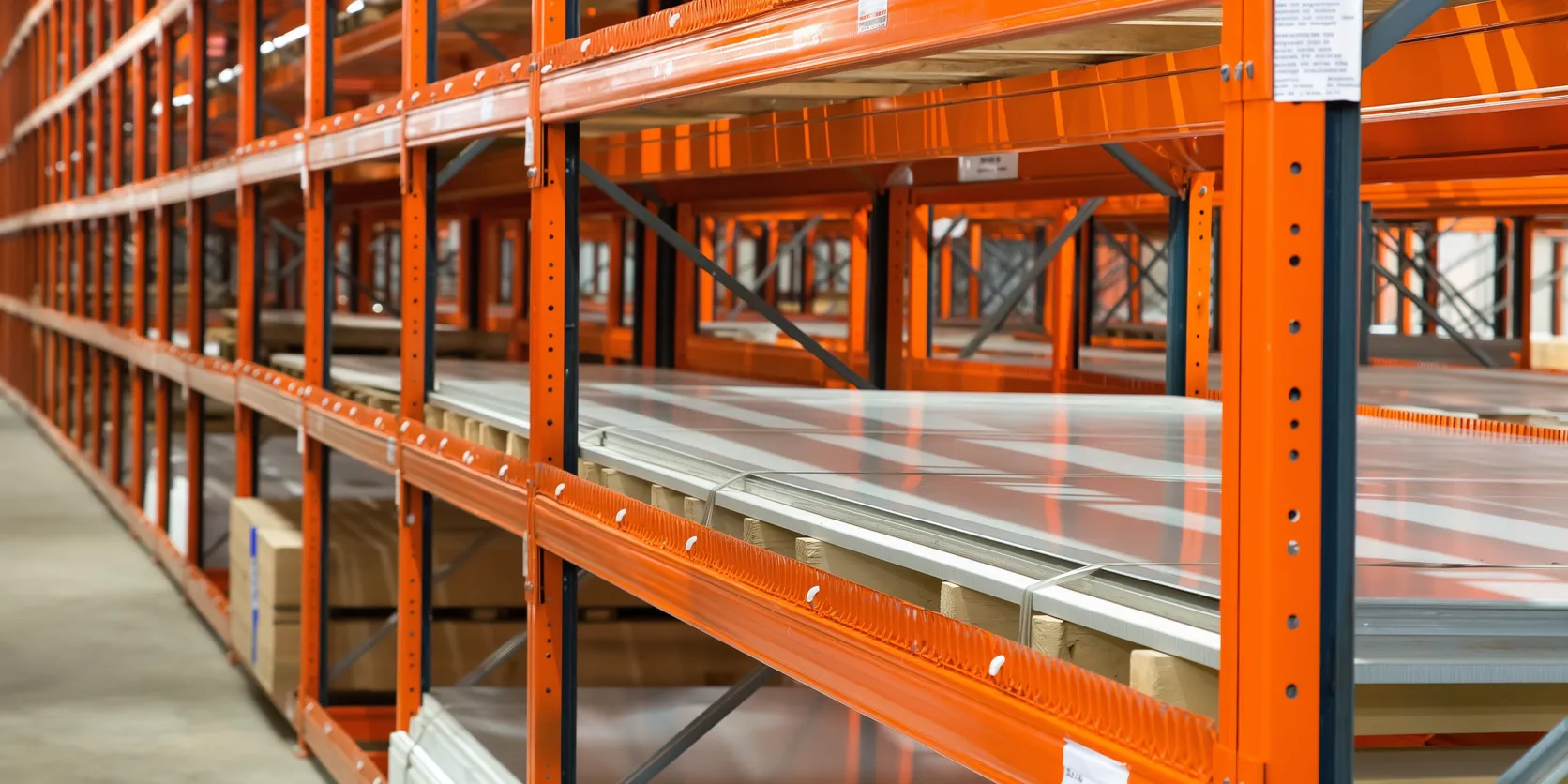
- Vetted suppliersWe source from mills and distributors with a proven, consistent track record, not whoever is cheapest that week.
- Certified & traceableMaterial certs tie each sheet back to its alloy and temper, so what we form behaves exactly the way the engineering assumes it will.
- Consistent thickness & temperPredictable springback, predictable K-factor, bends that land on angle every time. Explore the alloys we keep on hand in Materials.
The part that doesn't pass doesn't ship.
Even with the best machines, people, software, and material, perfection has to be verified — not assumed. Quality control is the final gate at Xeon NC, and it has the authority to say no. When a part isn't perfect, QC catches it, and that part stays in the building.
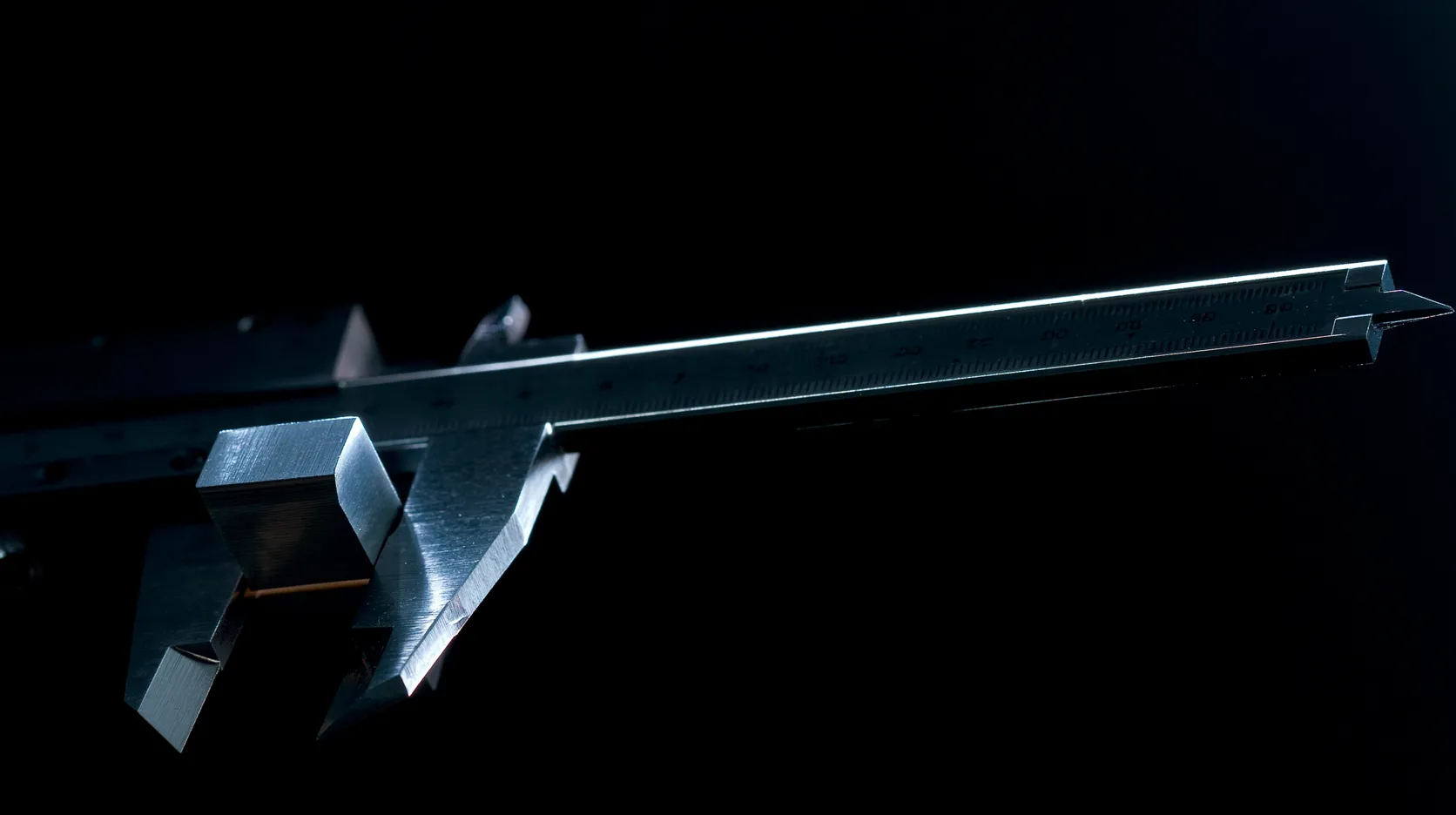
- Dimensional inspection.Critical features and tolerances are measured against the drawing, not eyeballed.
- Bend & angle verification.Formed angles and flange dimensions are confirmed against the model.
- Surface & edge check.Finish, deburring, and edge quality are reviewed so the part looks as good as it measures.
- Hardware & finish confirmation.Inserted hardware, coatings, and callouts are validated before packing.
Our rule is simple: if a part doesn't meet spec, it doesn't ship. No "close enough," no quietly passing a borderline feature. The only parts that leave Xeon NC are the ones that are right.
What most shops hope for, we build for.
Precision in pursuit of the perfect part isn't a slogan — it's the order of operations we follow on every job. The right machine cuts and forms it. Fifty years of experience guides it. Software we built ourselves programs it. Vetted material makes it predictable. And quality control proves it before it ever reaches your dock.
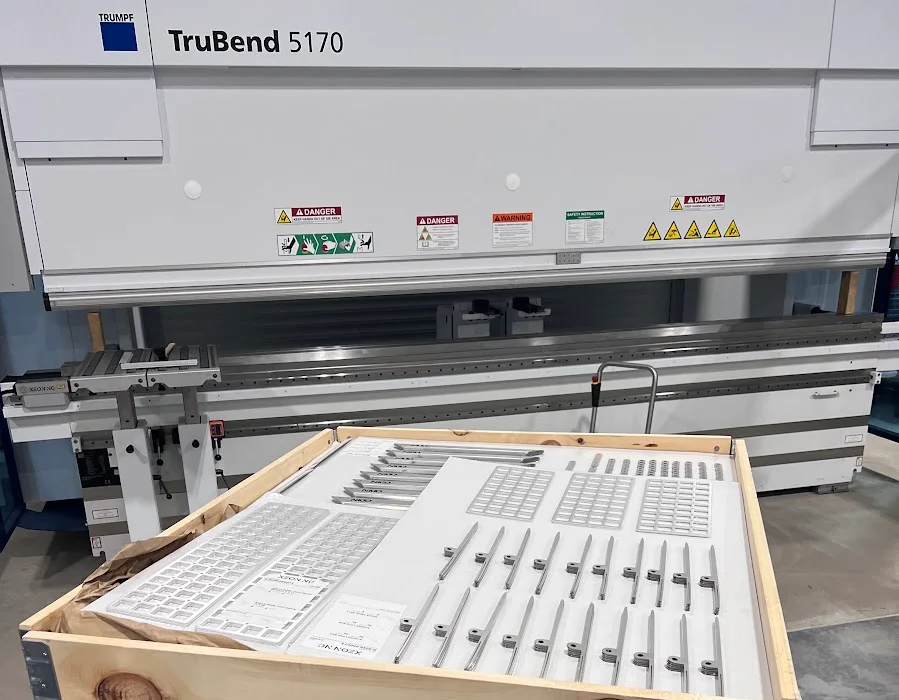
That's how we can promise what most shops only hope for: when your parts arrive, they're perfect.
Go deeper into how parts get made right.
Ready for parts done right?
Upload your design and get an instant quote — complete with live DFM feedback — from the team that only ships perfect parts.
Get an instant quote ↗